


 Milks and Dairies
 Agri Input
 Legumes and Pulses
 Fresh Herbs
 Fresh Fruit
 Meat & Leather
 Seafood
 Fast food
 Vegetables
 Wheat & Flour
 Eggs & Poultry
 Coffee & Teas

 English



I have seen many people underestimating the power of their wallets. To them, they are just a functional item they use to carry. As a result, they often end up with the wallets which are not really suitable for them.
You should pay more attention when you choose your wallets. There are a lot of them on the market with the different designs and styles. When you choose carefully, you would be able to buy a wallet that is catered to your needs. Not to mention that it will help to enhance your style significantly.

Over the past 20 years, most African governments have carried out reforms to deregulate agricultural markets and reduce the role of state enterprises. How much has the state actually withdrawn from agricultural markets? Have well-functioning private markets emerged?
How successful were these reforms in boosting agricultural production, economic growth, and the incomes of the rural poor? What lessons can we learn from the reform process?
The authors of this book address these questions through an analysis based on an extensive review of experiences with reform, focusing on three major agricultural markets: fertilizer, food crops, and export crops.
They examine the historical rationales for intervention, the factors contributing to reform, the process of implementation, and the impact of the reforms on farmers and consumers in Sub-Saharan Africa.
The authors find that reforms have had many favorable results, but that the impact has been muted by partial implementation and structural constraints. They propose a new agenda for promoting the development of agricultural markets in Sub-Saharan Africa, identifying areas where governments can play a supportive role.
Categories
Trending Now
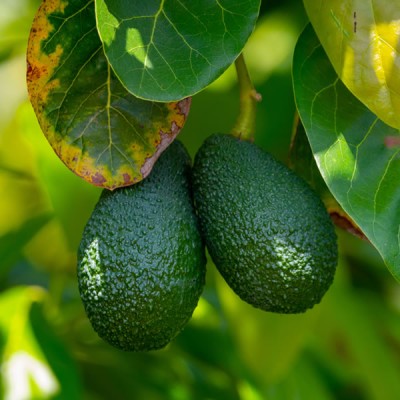
Certified Organic Hass Avocadoes
sh 800.00